I am delighted to teach undergraduate and postgraduate students at the University of St Andrews. My current courses are below.
Love and the Politics of What Sustains Life
In times of injustice, people still experience and practice love. These relations and practices radiate in many directions, from family and friendship to community activism, love of place, and care for nature. Love not only enables survival in a world of hardship, but also lends meaning to everyday experiences. How would the study of world politics be different if we asked not only what threatens life, but also what sustains it? This class examines how centring love can change our understanding and experiences of politics. We embrace an ethic and methodology of alongsideness, whereby we consider the co-existence of love, care, injustice, and harm, rather than focusing on love as a distraction from darkness. We approach love not just as a feeling (though feelings matter!), but as a demanding set of actions. Rather than merely asserting that love is political, we ask what kinds of politics it brings into being. The goal is to be more imaginative about flourishing in the face of the many forms of loss that persist around us.
The Politics of Nature and Place
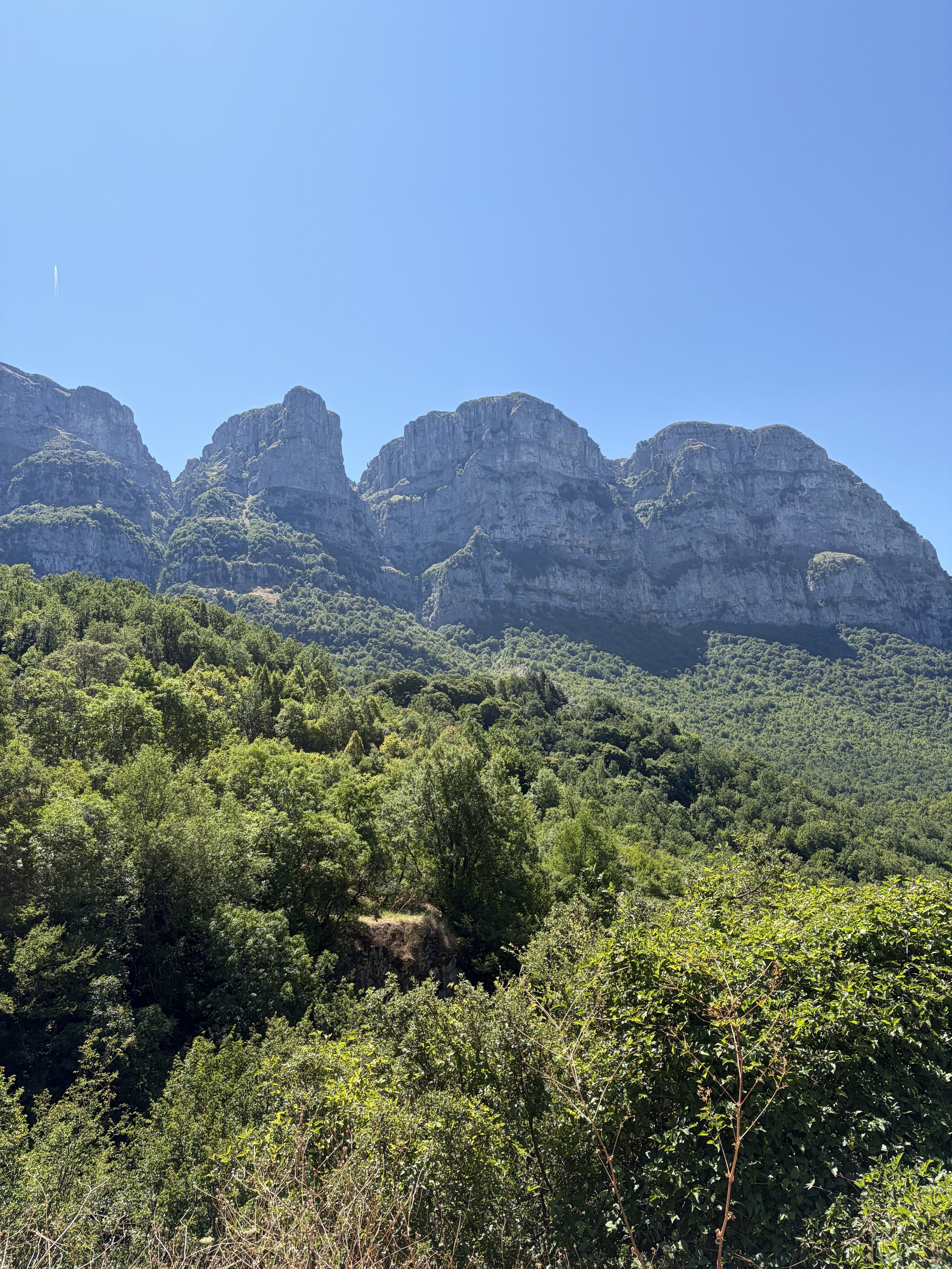
This class invites us to engage with nature and place as crucial sites that shape our understanding and experience of world politics. It is not a seminar about climate change, sustainability, or ecology, though aspects of these will emerge in our discussions. Rather, the class considers a few key questions on the framing of nature and place in the scholarship and practice of politics: How have scholars engaged with the natural world in their analyses of violence, peace, and politics? How are nature and place represented and how do those representations inform our understanding of relationships of both care and extraction, our notion of community, and our experience of hierarchies? What role does the human play in these narratives? Ultimately, what do we talk about when we talk about ‘nature’ and what kind of politics is the politics of nature and place? Drawing from interdisciplinary texts that address both scholarly audiences and readers outside the academy, the reading list, activities and field trips, and assessments associated with this class invite students to not only think about politics, nature, and place, but also feel and experience these questions in their lives.
Qualitative Research Encounters
All research is based on encounter with texts, ideas, images, places, and ways of life. This class focuses on encounters with other humans as part of the research process. How can we ethically and rigorously understand how other people experience the world? Focusing specifically on qualitative research, the class considers the processes by which we generate knowledge. It approaches the research experience and encounter from the perspective of research participants, researchers, communities, and other standpoints. Students will have the opportunity to build practical skills associated with the qualitative research encounter, including interviewing, ethnographic observation, and active listening. The class also engages with the ethical dilemmas and practical decisions that arise throughout the research cycle.